Severe deficiency can cause: Vitamin K Deficiency Bleeding (VKDB) Hemorrhagic disease of the newborn Uncontrolled internal or external bleeding in adults Four Signs of Vitamin K Deficiency: Easy bruising Frequent nosebleeds Blood in urine or stool Excessive bleeding from minor wounds or surgical sites Foods Highest in Vitamin K: Leafy green vegetables: Kale, spinach, collard greens, Swiss chard, and broccoli are the top sources
Certificates of analysis from independent laboratories confirm peptide identity and purity levels, typically targeting greater than 98% purity for research-grade materials
Bioavailability: 1 to 2% absorbed passively without intrinsic factor Deficiency: only if GI absorption is intact Dosing: daily, high-dose oral Prescription: no, available OTC At home: yes Get a B12 injection prescription Not sure which format fits your situation
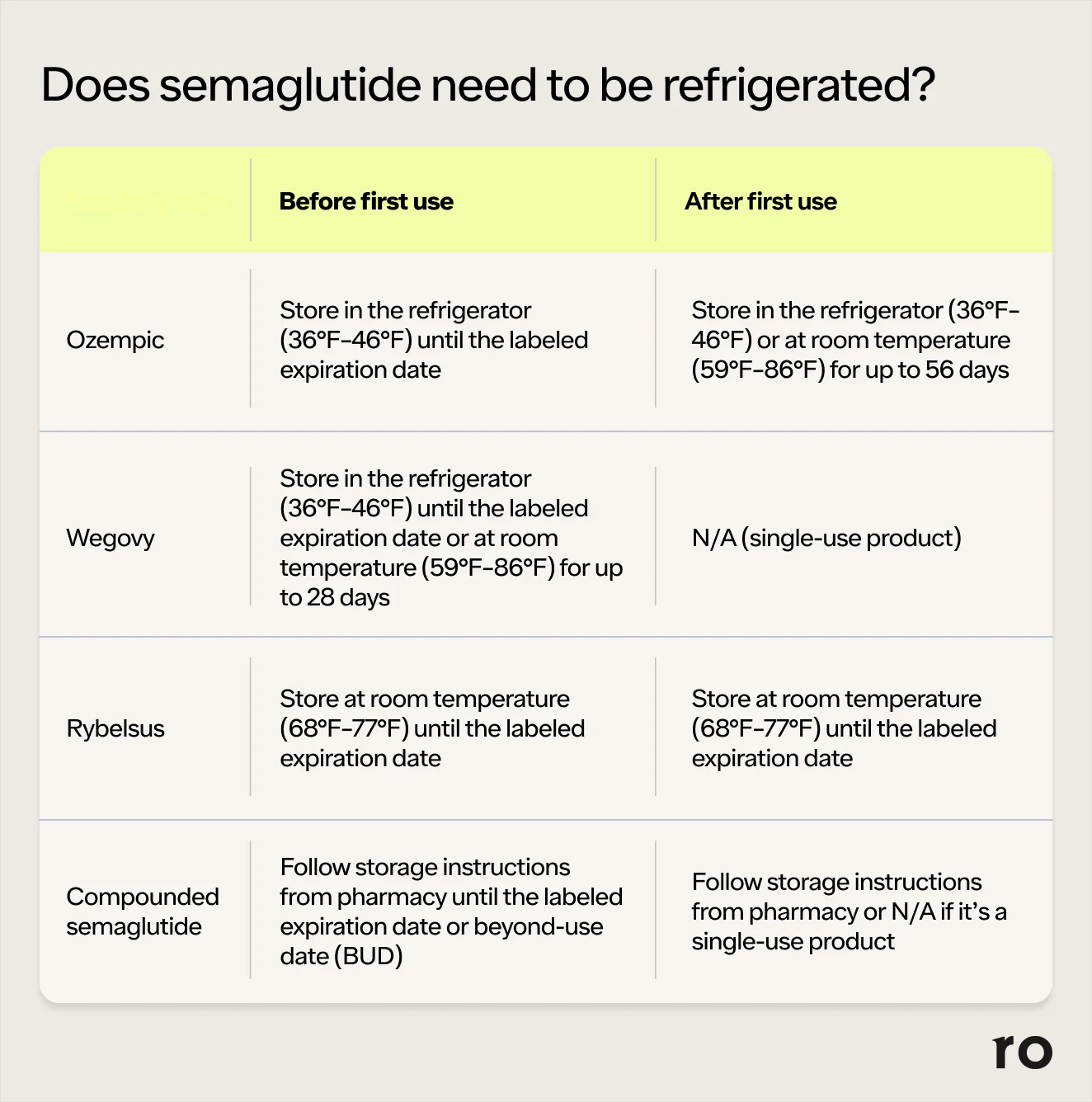
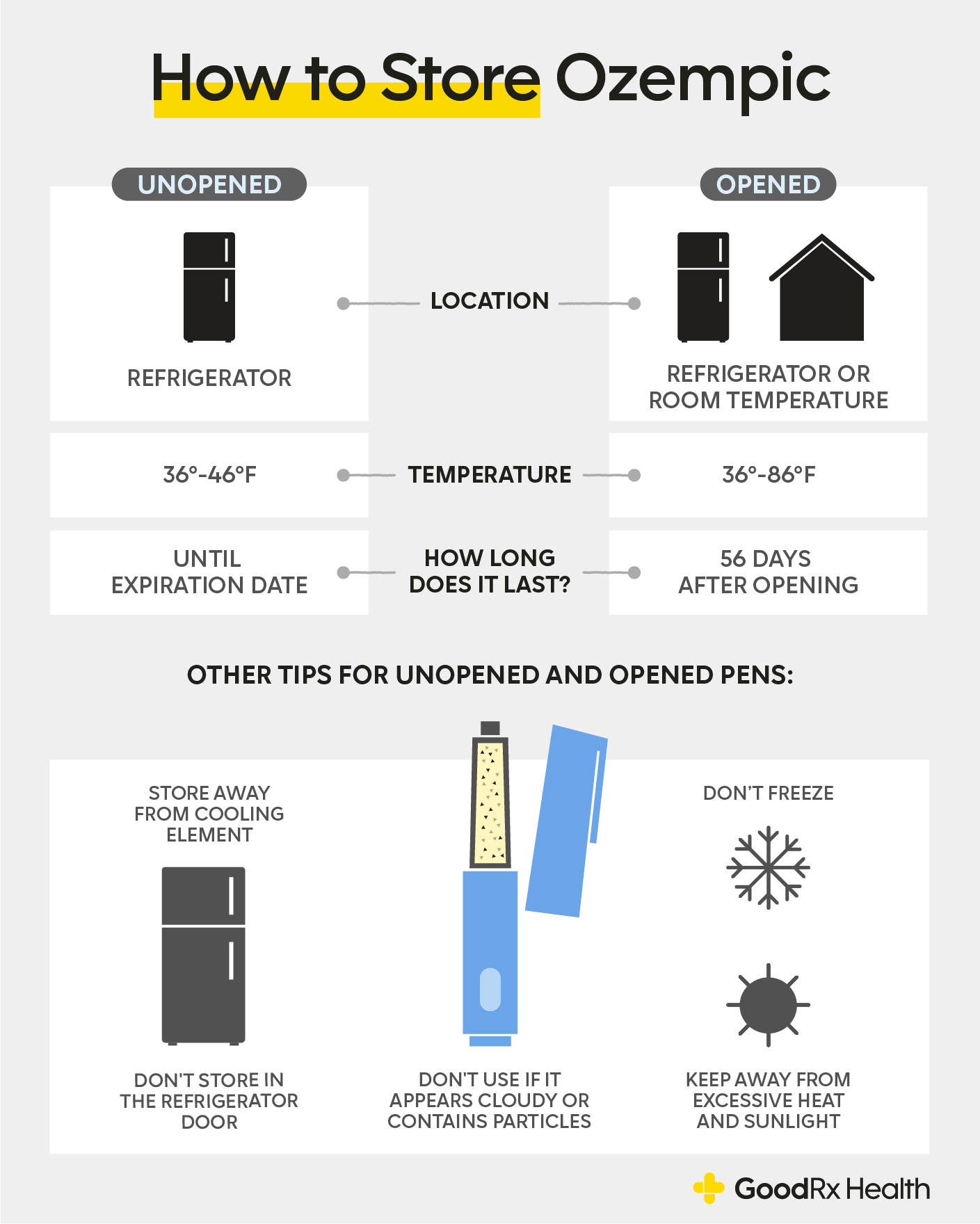
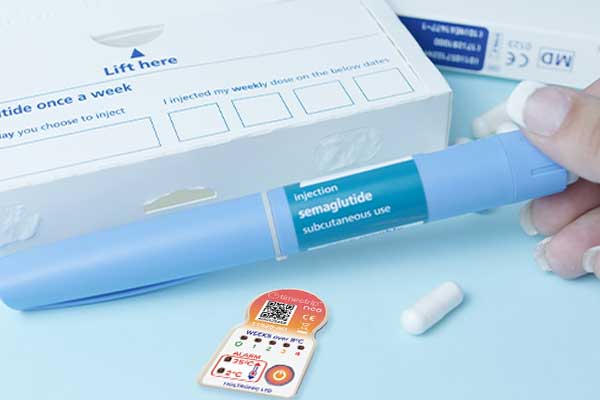
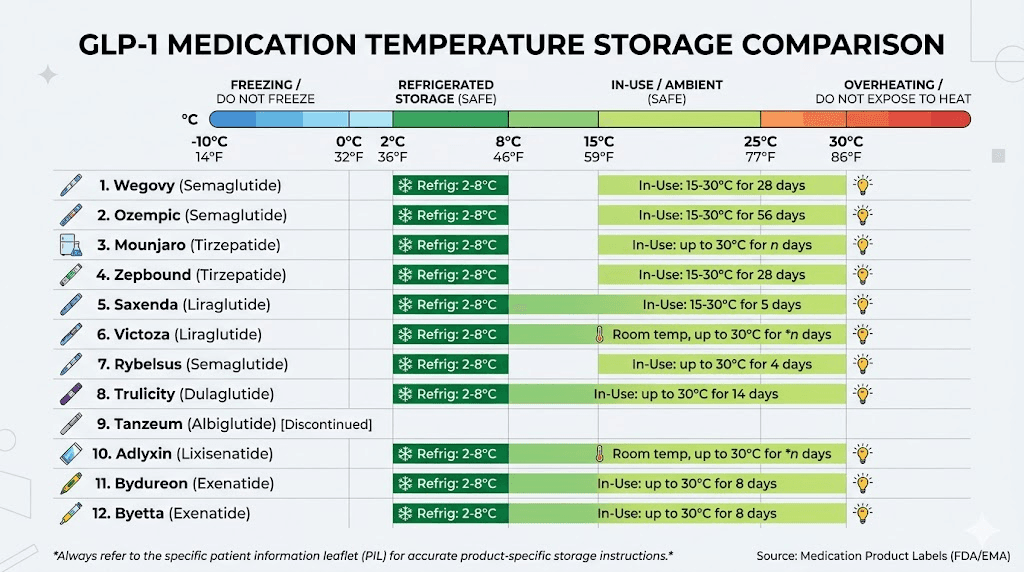
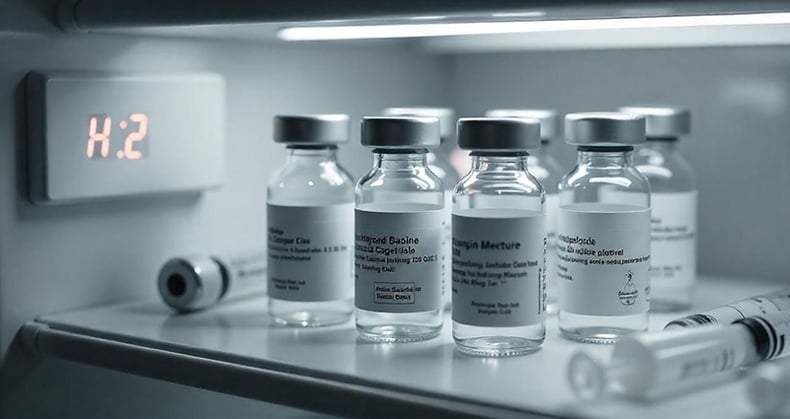
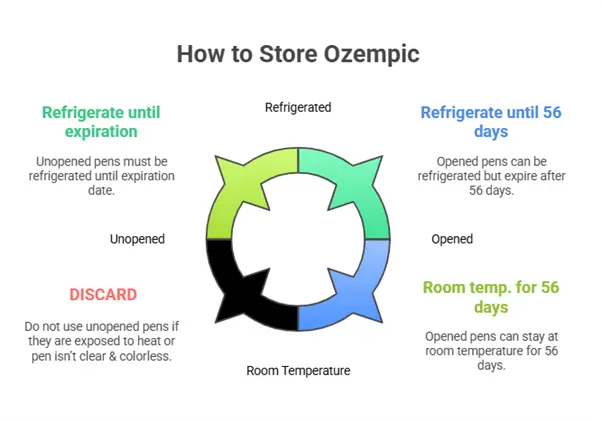
Inside, you will find everything needed for your full research protocol: 1 Disposable Pre-Mixed Injection Pen Powered by our proprietary PSM Technology precision stabilization & mixing system for consistent potency 10 Ultra-thin Needles (33G, 4 mm) 10 Alcohol Pads for sterile preparation Internal Stabilizing Foam Insert to prevent shaking during transport Instruction Panel printed on the inside of the box for quick reference Security Seal Sticker ensuring the package has not been opened or tampered with Storage Store the product in a refrigerator at 1 8C immediately upon delivery
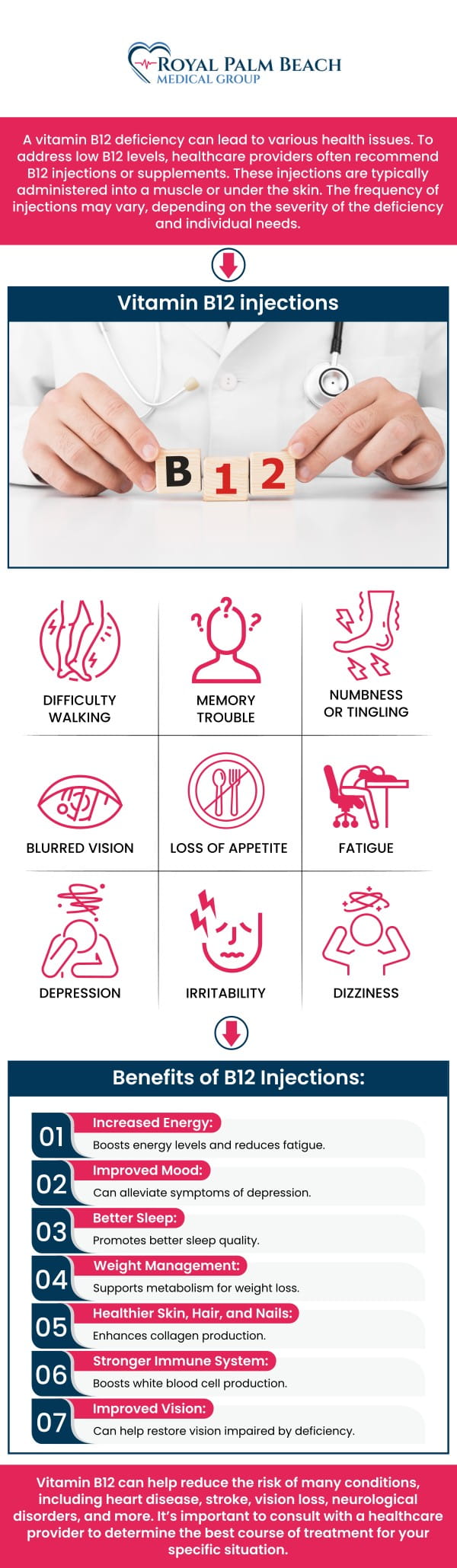
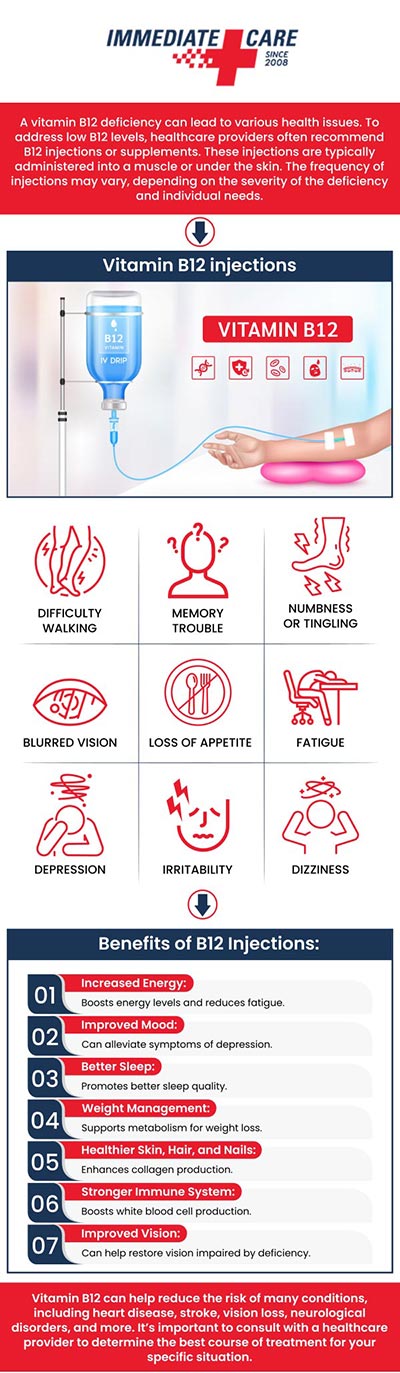
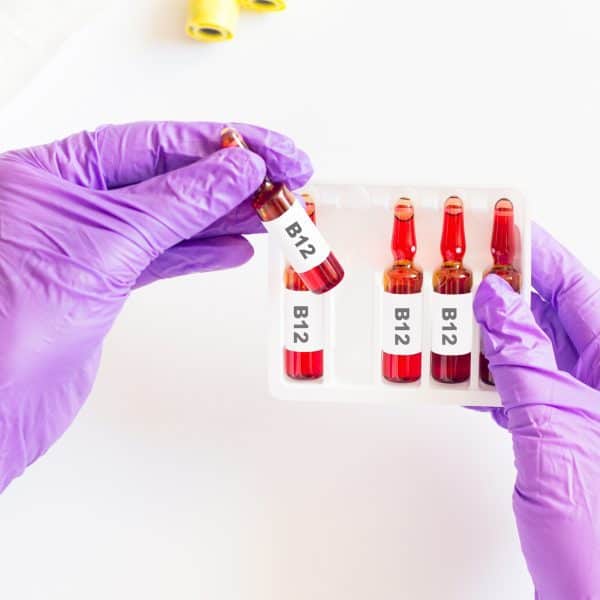
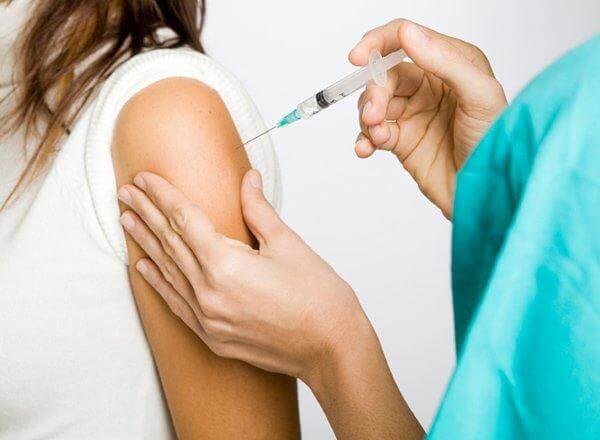
Regular B12 injections are the only treatments that seem to work, as excess amounts of Vitamin B12 are not stored in the body but rather excreted (it is a water soluble vitamin)




&w=200&do-not-index)