These furans are usually generated from sugars degradation and can cause pulmonary irritation upon inhalation 52,53,54
Human twin studies and animal research demonstrate that these genes significantly influence smoking behavior, nicotine dependence, and quit success by controlling how nicotine interacts with the brains reward system, particularly in the dopaminergic cells of the ventral tegmental area and nucleus accumbens These genetic factors make certain people more likely to develop tobacco dependence compared to others
Consider celery and carrot sticks, sunflower seeds, and sugar-free candies or gum
Most people who have quit smoking have tried at least once, and often several times, without long-term success in the past
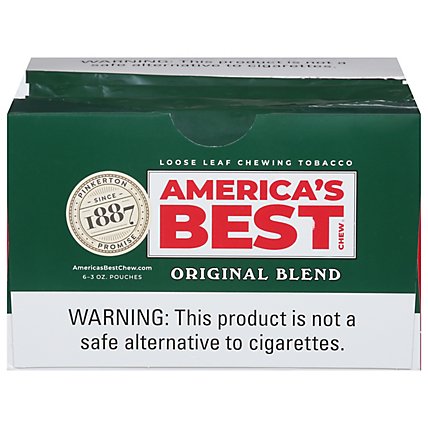
Over time, consuming chewing tobacco leads to nicotine dependence and poses serious health problems that can be difficult to treat later on