A 2013 citizen petition prompted the Food and Drug Administration to ban menthol as a flavor in cigarettes, but rules to finalize a ban have been sluggish
Choosing For Yourself As we said just above, the right pipe for you is a question of personal preference
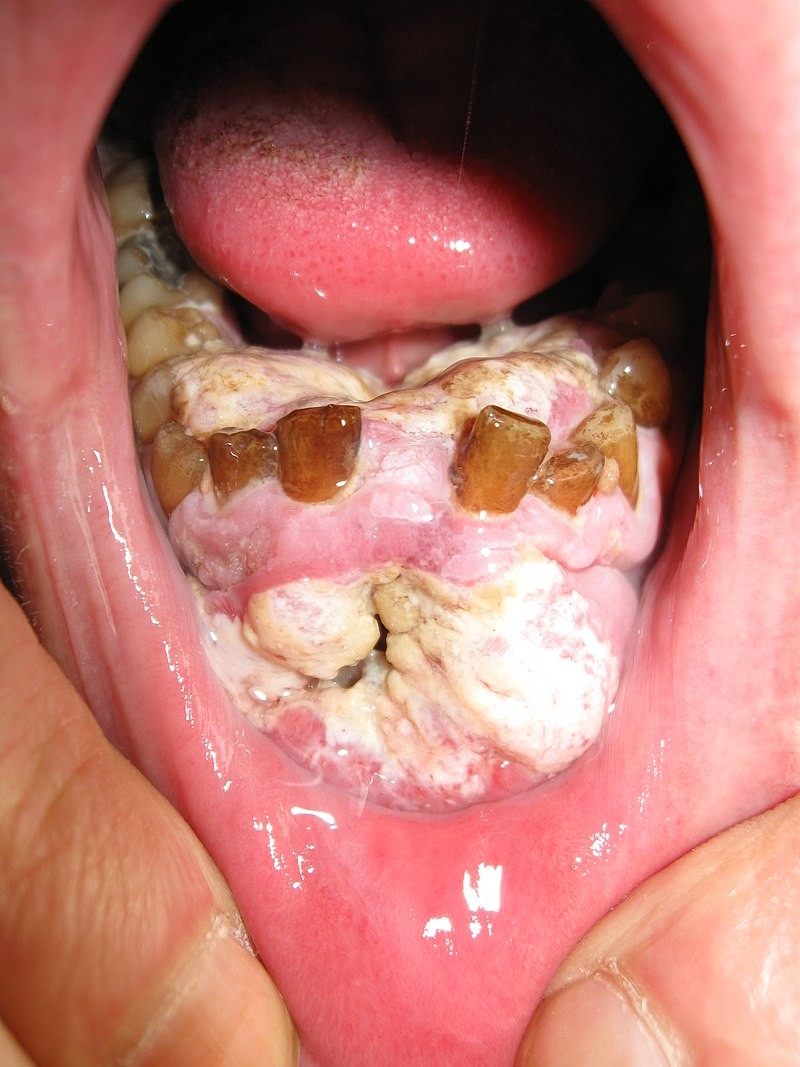
Key Points A large body of literature strongly suggests that cigarette smoke unfavourably influences all major stages of atherosclerosis as well as pathological atherothrombus formation Cigarette smoke contains oxidant compounds that cause oxidative stress in the endothelium, leading to endothelial dysfunction and injury, initiation of the atherosclerotic process, and subsequent formation of atherosclerotic plaques Cigarette smoke promotes the development of vulnerable plaques and plaque rupture by enhancing inflammation and activating matrix metalloproteinases Cigarette smoke causes platelet activation, and promotes platelet aggregation and platelet adhesion to sites of endothelial injury Exposure to cigarette smoke shifts the balance of haemostasis towards thrombus formation by enhancing blood clotting and, at the same time, reducing the fibrinolytic capacity This is a preview of subscription content, access via your institution Access options Subscribe to this journal Receive 12 print issues and online access $189.00 per year only $15.75 per issue Buy this article Purchase on SpringerLink Instant access to the full article PDF
The FDA estimates around 18.5 million people smoke menthols, including teens, and menthol cigarettes are especially popular with Black smokers
Extra Tip Opt for sour flavors for an even wetter mouth, since they tend to produce way more saliva than other sweeter flavors