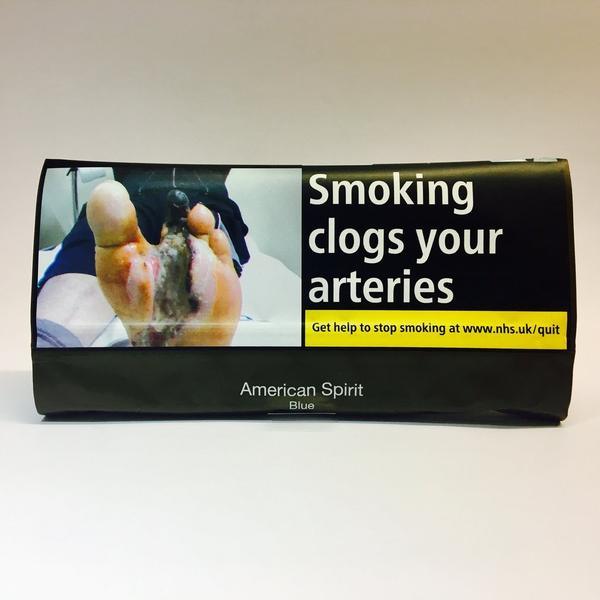
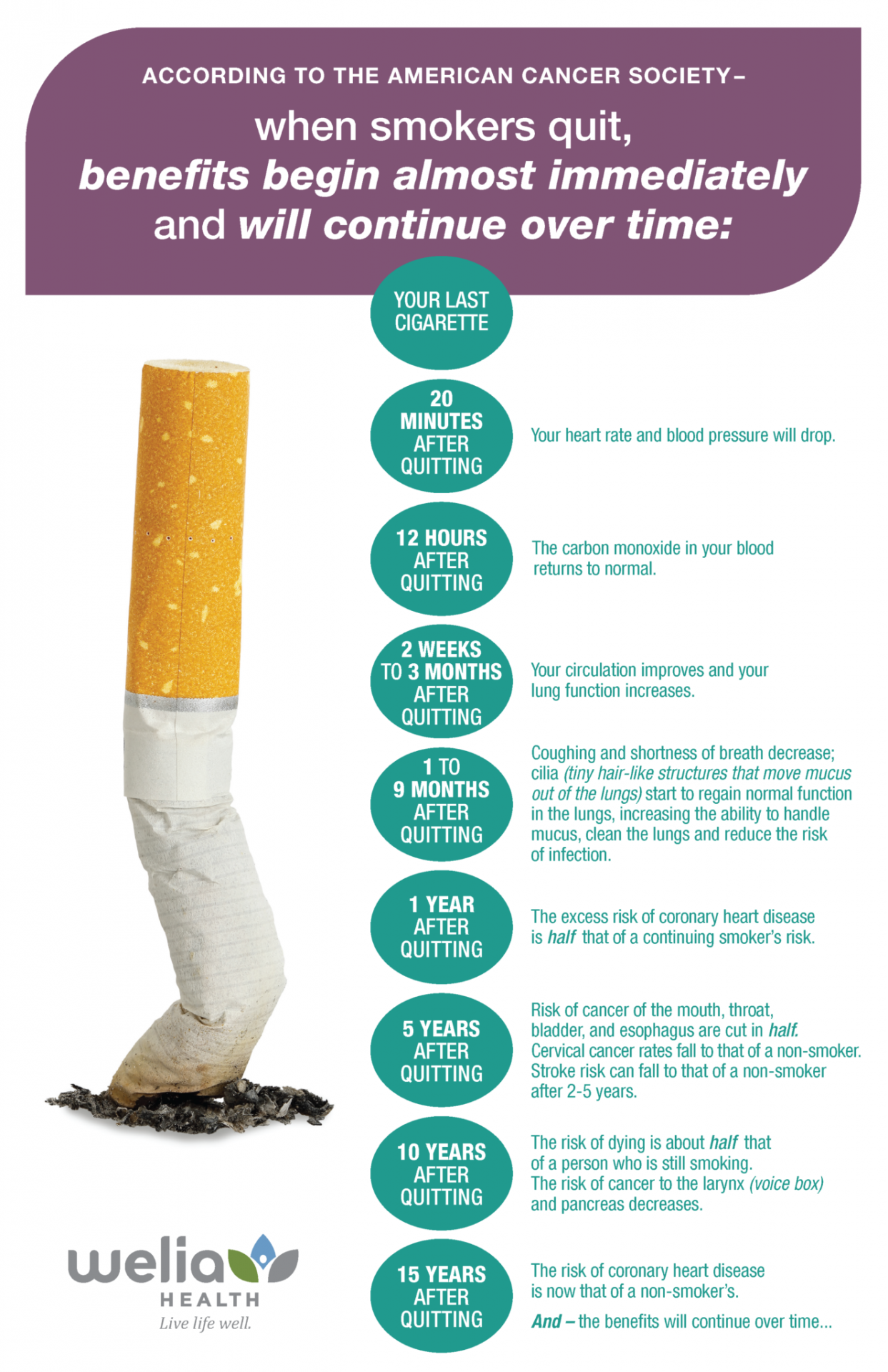
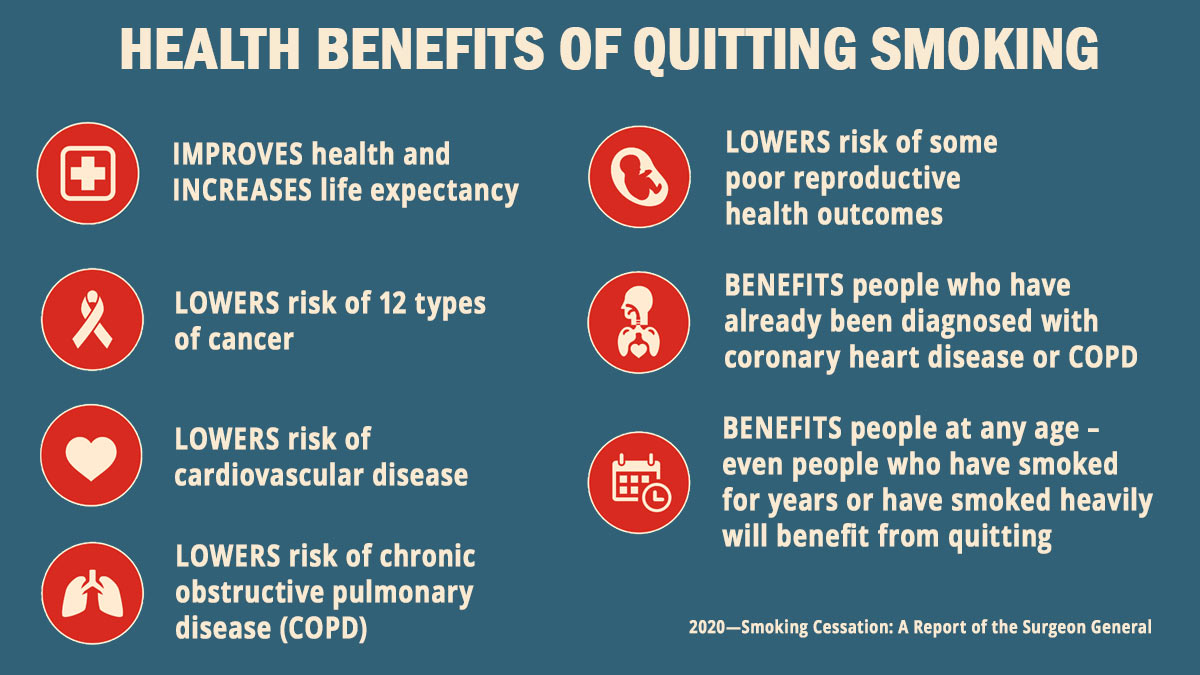
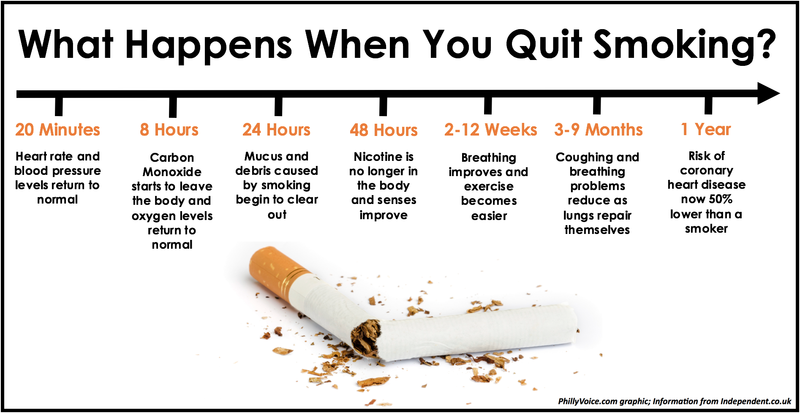
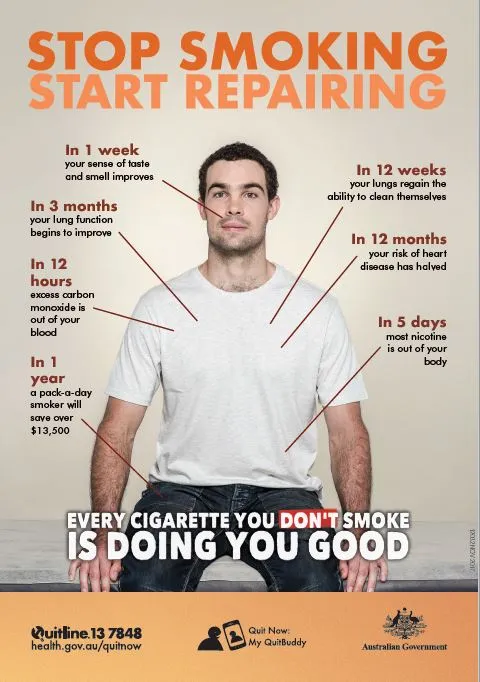
In 20 minutes after stopping: Blood pressure and heart rate fall In 12 hours: Levels of carbon monoxide become normal In 2 weeks to 3 months: Improvements in blood circulation and increased lung efficiency In 1 to 9 months: Improvement in coughing and breathing In 5 years : 50% reduction in risk of oral cancer than those who keep smoking After 10 to 15 years: Risk level similar to non-users Practical Steps to Quit Smoking: Establish a quitting date: Select a definite date within two weeks' time Inform family members and friends: Get their encouragement and support Get rid of triggers: Dispose of all tobacco-related items, including lighters and ashtrays Detect craving patterns: Maintain a diary that records your reasons for smoking Replace tobacco with other activities: Chewing gum, carrying a stress ball, or engaging in some other activity Get professional assistance: Using nicotine-replacement therapy (patches, gum, lozenges), bupropion, and varenicline doubles your chances of success Join a support group: Face-to-face or virtual Also read: How Do You Stop Bleeding Gums

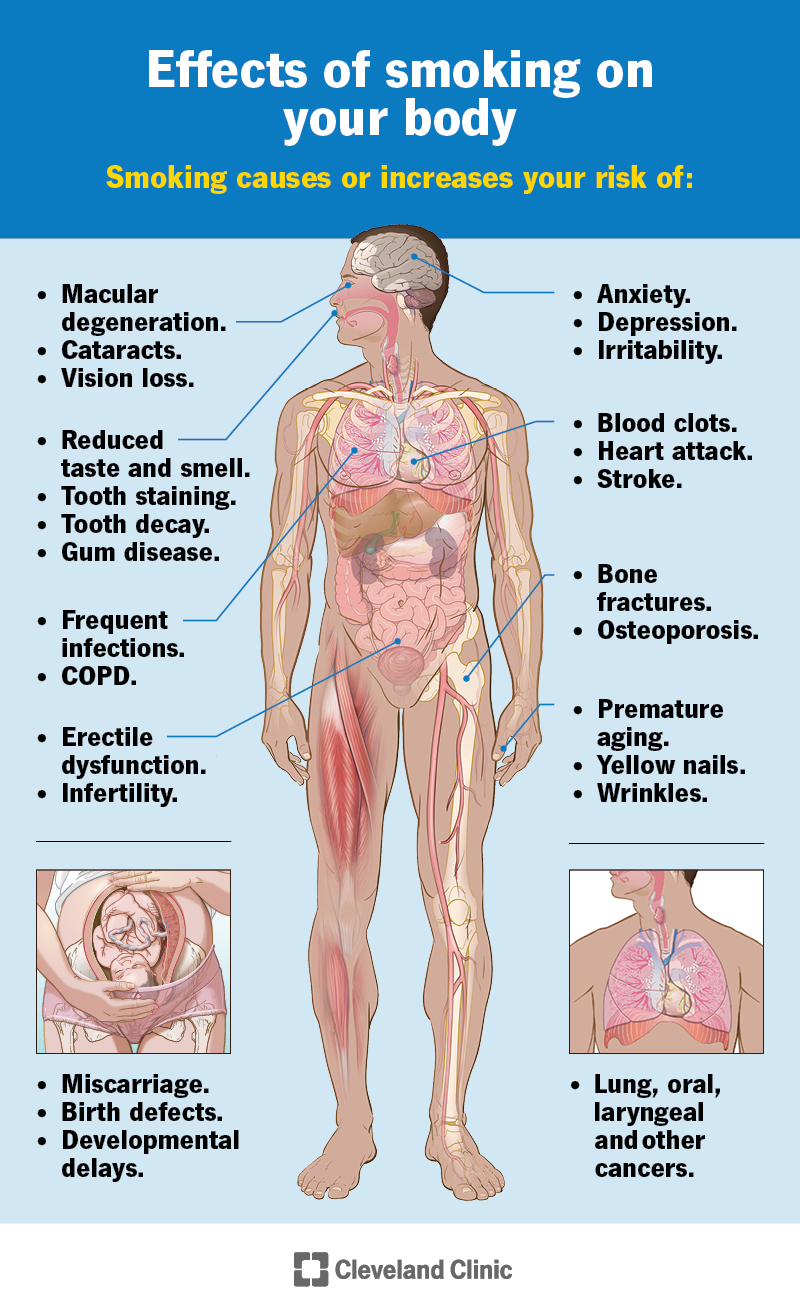
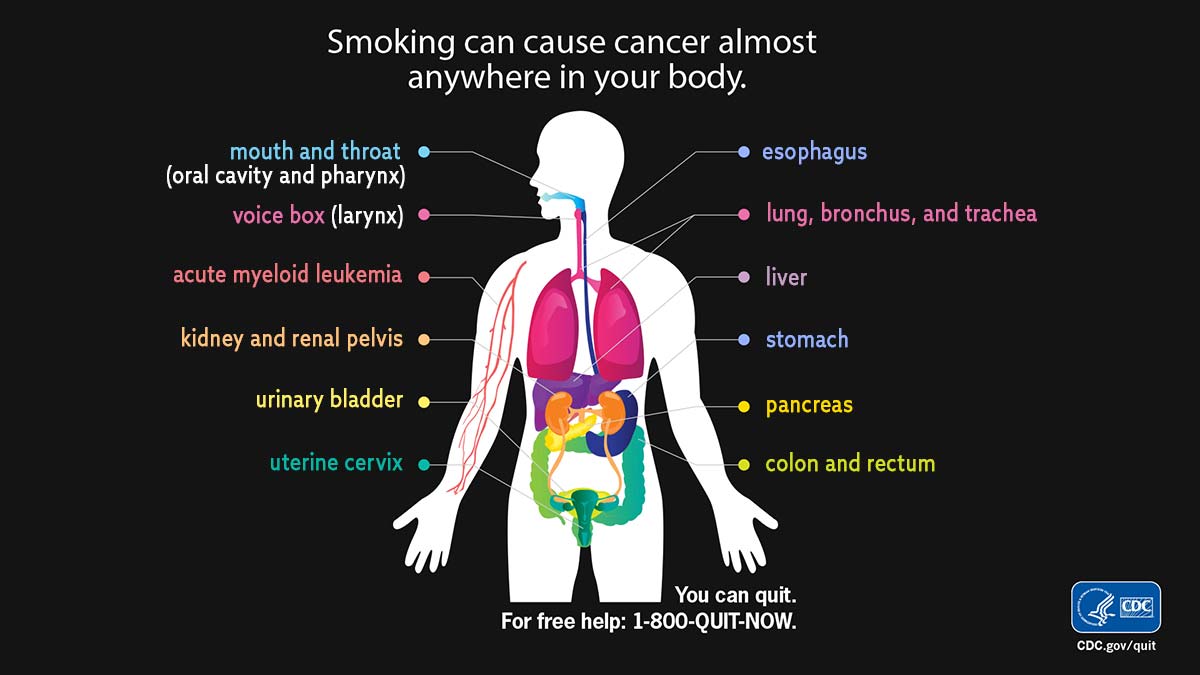
The latest studies released by the Surgeon General and the Environmental Protection Agency (EPA) state that cigarette smoking increases the incidence of heart disease, cancer of the larynx, esophagus, and mouth, and birth defects in pregnant women
Coffee partnership Southwest Airlines has partnered with Community Coffee since 2016, and it has been providing the airline with hot inflight coffee since then
They also noted that some components of tobacco combustion are absorbed into the blood stream, via the oral mucosa or the mucosa of the lung alveoli, and these components could then be exhaled, leading to a strong odor
If you eat a diet that is very high in these foods, reducing them (without completely eliminating them) may go a long way in improving your breath