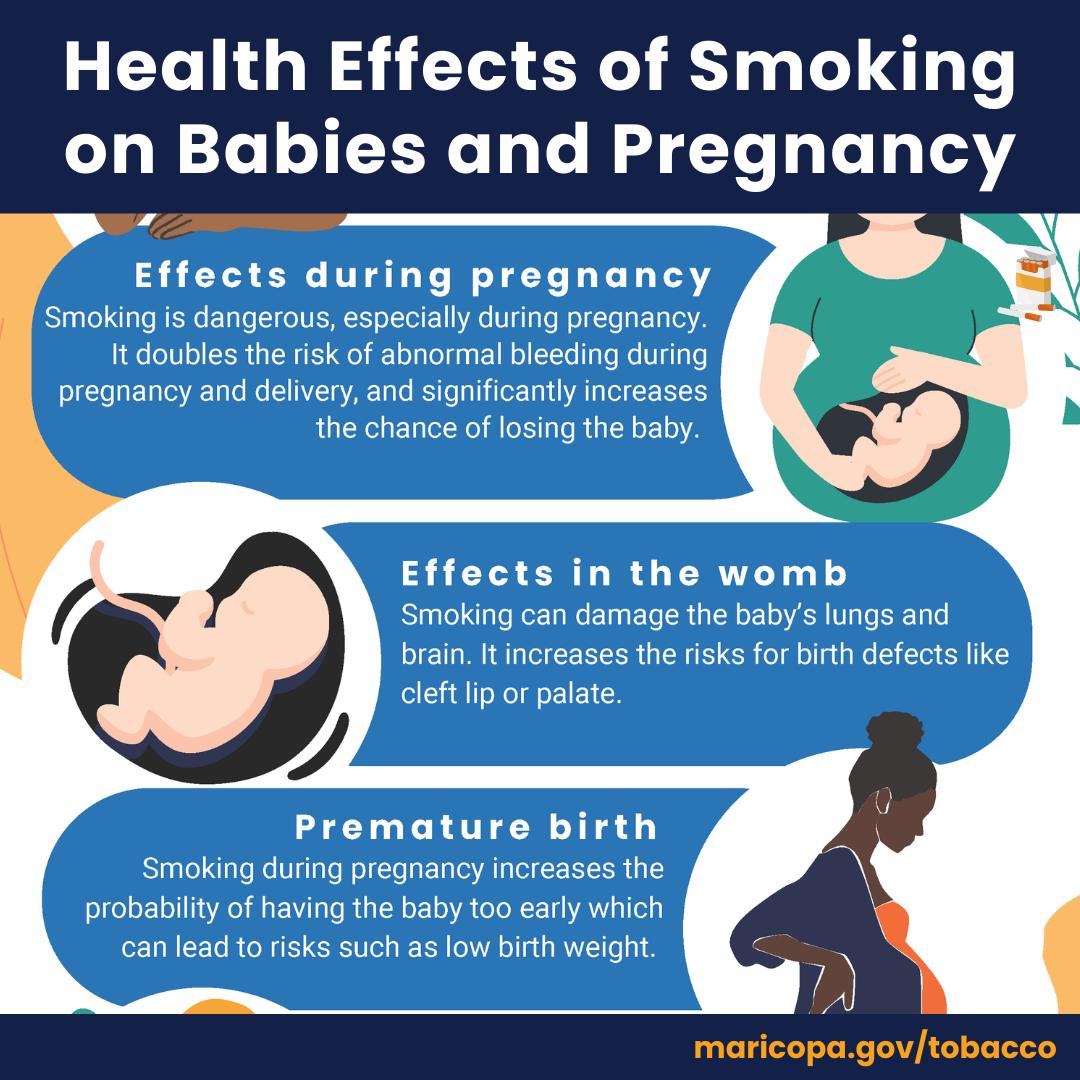
(2) reporting a serious, unstable psychiatric condition (e.g., bipolar disorder, schizophrenia), (3) reporting a serious, unstable physical health condition that would increase risk of study participation determined by medical history interview and review by study physician (e.g., past or present cardiac problems, respiratory problems, overnight hospitalization in the past 3 months), (4) current criteria for DSM-5 moderate or severe cannabis use disorder, (5) current use of other psychoactive substances confirmed by urine drug screening, unless prescribed and stable for 2 months, (6) living with someone who currently smokes menthol cigarettes, to reduce access to preferred cigarettes during the switching phase of the study, consistent with our pilot [19], (7) known allergy to PG/VG in e-liquid, (8) female participants will be excluded if they are currently pregnant, planning to become pregnant, breastfeeding, or unwilling to use an effective method of birth control for the duration of the study, (9) abnormal spirometry test, (10) if reporting recent cannabis vaping (past 90 days), additional exclusion will be any report of mild or greater EVALI-related symptoms (e.g., cough, shortness of breath, chest pain) without non-EVALI reasonable and proximal cause
While employees are there to work, some tasks can be a little more challenging or annoying than others
Meanwhile New Zealand, once a leader in tobacco control policy, is very unlikely to reach the governments smokefree 2025 goal
A key challenge is that CBD vapes look identical to THC vapes
Steel Monumental 1930s Wood No Smoking Sign from New York City Located in Los Angeles, CA Monumental hand carved wood sign from the 1930s